Ingredients
A plant built for cold places
Rhodiola grows where few other plants want to: rocky mountain slopes, windswept cliffs and cold northern coastlines across parts of Europe, Asia and North America. The species most often discussed in supplements is Rhodiola rosea, a hardy perennial with thick, fleshy roots and clusters of small yellow flowers.
Some of its common names hint at where it lives. You will sometimes see it called arctic root or golden root. The thick underground part, the rhizome, is the portion of the plant that is dried and used, which is why labels so often say Rhodiola root rather than Rhodiola leaf.
The adaptogen label, explained
Rhodiola is frequently grouped with a loose category of herbs called adaptogens. The term was coined in the twentieth century to describe plants traditionally associated with helping people feel more balanced through changing seasons and busy periods. It is a descriptive category rather than a precise scientific one, and it carries no guarantee.
So when you hear the word adaptogen, take it as a clue to a plant's traditional reputation. It tells you how people have talked about the herb over time. It is not a promise about what any product will do, and a sensible reader keeps that distinction in mind.
- Rhodiola rosea is the species most often used.
- The root, or rhizome, is the part that is harvested.
- Common names include arctic root and golden root.
- Adaptogen is a traditional grouping, not a guarantee.
A long history in northern traditions
Folk traditions in Scandinavia, Russia and the mountain regions of Central Asia have a long record of working with this root. Accounts describe it being used in teas and tonics, and it was valued by people living through long, harsh winters. Much of that history is passed down in stories and herbals rather than modern records.
Because the stories are old, they are best enjoyed as cultural background. They explain why the plant became a familiar sight in herbal cabinets, and they give today's makers a reason to investigate it. They do not stand in for the label, which is where the practical details about a particular product belong.
If you ever visit a northern botanical garden, you may spot Rhodiola growing in a rock bed with its blue-green leaves and yellow blooms. Seeing a plant in person tends to make the ingredient on the label feel real, and it is a pleasant outing for anyone who enjoys learning about the natural world.
From mountain to dropper bottle
Wild Rhodiola grows slowly, and over-harvesting has made some sources scarce, so responsible sourcing matters. Many modern products draw on cultivated plants. After harvest, the roots are cleaned, dried and then ground or extracted, a process that concentrates the plant compounds found in the root.
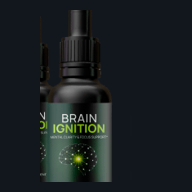
In a liquid formula like Brain Ignition, the extract is blended with the other ingredients into a single dropper-ready product. The brand lists Rhodiola root among its six ingredients, along with green coffee bean extract, L-Tyrosine, theobromine, Bacopa monnieri and Huperzia serrata.
Extraction methods vary between makers, and the details are usually proprietary. What matters to you as a shopper is that the label lists the plant part clearly and that the product is made in a facility that follows good manufacturing practices, which is what the brand states about its own facility.
How Rhodiola fits the Brain Ignition idea
According to the brand, Brain Ignition is made for everyday mental clarity and focus support. Rhodiola brings a cold-climate herbal tradition to a formula that also includes a coffee plant extract, an amino acid, a cocoa compound and two other botanicals. Six ingredients, six different origins.
That variety is part of the appeal for curious shoppers, but it also makes label reading important. The bottle is 1 fl oz, or 30 mL, with the Supplement Facts and suggested use printed on it. We do not state a dose in articles, so please read the label and follow it carefully.
Pairing the herb with practical habits
Mountain plants survive by being steady rather than flashy, and the same idea works for human routines. A consistent wake time, daylight in the morning, a short walk and an organized task list will probably contribute more to a sharp day than any single ingredient.
If you like to learn, try a simple structure. Take your drops as directed, spend twenty minutes on a topic you enjoy, then step outside for a few minutes. Repeat it most days. Many adults in their 50s, 60s and beyond find that short, regular sessions beat long, occasional ones.
Another helpful trick is to schedule your most demanding thinking early, while your day is still quiet. Leave email, errands and admin for later. Protecting a single focused block gives you something concrete to look forward to and makes a routine easier to keep, week after week.
Ordering and trying it
If you decide to give Brain Ignition a try, the packs of 2, 3 and 6 bottles are on the order page, and a 60-day money-back guarantee applies. The brand says orders ship within 24 working hours. The product is made in the USA in an FDA-registered, GMP facility, which describes where it is produced rather than any approval.
A fair trial means using the product consistently, following the label and watching how your routine feels. Keep your expectations realistic, stay curious and enjoy the process of learning how your own days work best.
Quick questions
Is Rhodiola the same as arctic root?
Yes, arctic root and golden root are common names for Rhodiola rosea. Brain Ignition lists Rhodiola root as one of its six named ingredients, and the Supplement Facts on the bottle describe how it appears in the formula.
Why do labels say root instead of the whole plant?
The thick underground rhizome is the part of Rhodiola traditionally harvested and used, so labels name it directly. It is a helpful detail because different plant parts can contain different compounds.
How do I find out how much Rhodiola is in each serving?
Check the label. The Supplement Facts panel and suggested use are printed on the bottle, and that information is always the most current and reliable source. This article intentionally leaves out amounts.
Your Brain Ignition routine starts with one order
Choose 2, 3 or 6 bottles on the secure order page. The six-bottle pack is $49 per bottle with free US shipping.