Lifestyle
Curiosity has no expiry date
Somewhere along the way, many of us picked up the idea that learning belongs to the young. It is a charming myth and a completely false one. People in their 50s, 60s, 70s and beyond learn languages, play instruments, draw, code, garden and write books every single day.
What changes with time is not the ability to learn but the way we like to do it. We bring experience, patience and a good sense of what we actually enjoy. Those are enormous advantages. You already know how you work best, and you are free to choose subjects purely because they delight you.
This guide offers a friendly roadmap for starting something new. You will find ways to choose a skill, build a gentle routine, keep going when it gets tricky, and make the most of the habits around your day, including where a product like Brain Ignition might sit in your plan.
Choose something that makes you smile
The best subject is the one you will actually look forward to. Think back over your life. What have you always wanted to try? Perhaps it is Spanish for your next trip, the guitar that has been gathering dust, watercolors, photography, bird identification or family history.
Pick something small enough to start this week. A tiny first step beats a grand plan every time. Instead of learn to cook every cuisine, try make one new recipe a week from a single country. Instead of write a novel, try write a page each morning.
It helps to choose a subject with built-in rewards. Languages let you order dinner abroad. Gardening gives you flowers and tomatoes. Music gives you a tune to share. Visible progress keeps motivation alive far better than distant goals.
- List three things you have always wanted to try.
- Pick the one that excites you most today.
- Shrink it into a first step you can do in under twenty minutes.
- Schedule that step in your calendar like an appointment.
Build a gentle learning routine
Short, regular sessions beat long, occasional ones. Twenty minutes a day will take you much further than three hours once a month, because each session builds on the last while it is still fresh.
Choose a consistent time and place. A favorite chair, a sunny corner of the kitchen or a table at the library can become your learning spot. When your mind links that place with learning, getting started feels almost automatic.
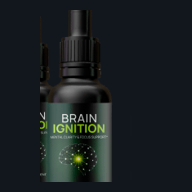
Many people enjoy pairing their learning time with a morning ritual. If you use Brain Ignition, a liquid dropper supplement made to support everyday mental clarity and focus, you might link your bottle to the start of your study session, following the suggested use on the label. The routine, not the bottle, is the star, but a clear cue can make the habit easier to keep.
Learn in ways that stick
Some techniques make learning more enjoyable and more lasting. The first is retrieval. Rather than rereading, close the book and try to explain what you learned from memory. It feels harder, but it is wonderfully effective, and it turns study into a little game.
The second is spacing. Review new material after a day, then after a few days, then after a week. Spreading practice out helps ideas settle in. A simple notebook with dates in the margin does the trick.
The third is teaching. Explain what you are learning to a friend, a grandchild or even the cat. Putting an idea into your own words shows you exactly what you understand and what still needs attention. Teaching also makes learning social, which is a joy in itself.
Keep your whole day supportive
Learning does not happen in isolation. How you sleep, eat and move all shape how sharp you feel when you sit down to study. A regular bedtime, a balanced plate and a daily walk are all friendly allies for a curious mind.
Short breaks matter as well. Study for twenty-five or thirty minutes, then stand up, stretch and look out of the window for a few minutes. Your attention returns refreshed. We have a full article on smart breaks for a clear afternoon if you want more ideas.
Brain Ignition features six named ingredients, which are green coffee bean extract, L-Tyrosine, theobromine, Bacopa monnieri, Rhodiola root and Huperzia serrata. According to the brand, it may help support everyday focus and clarity as part of a balanced lifestyle. It is one helper among many, and it works best next to the habits you control.
When it gets tricky, stay kind
Every learner hits a wall. A verb tense refuses to stick, a chord will not ring true, a spreadsheet formula throws an error. That is not a sign you are too old. It is simply the middle of learning, and everyone passes through it.
When this happens, shrink the task, take a break and come back the next day. Often the answer arrives after a good night of sleep. Celebrate small wins, too. Reading a menu in a new language, playing eight bars of a song or finishing a tidy row of seedlings are real achievements worth marking.
Find company if you can. A class, a club or an online group gives you encouragement and accountability. Learning alongside others turns effort into friendship, and friendship is a powerful reason to keep showing up.
Your first thirty days
Here is a simple plan. In week one, choose your subject and set your learning spot. In week two, settle into twenty minutes a day. In week three, add a retrieval session where you test yourself. In week four, share something you have learned with another person.
Keep a short journal of what you enjoyed. After thirty days, you will be amazed at how far you have come. If you decide to include Brain Ignition in your routine, remember that a 60-day money-back guarantee lets you try it comfortably, and the order page shows packs of 2, 3 and 6 bottles.
Most of all, enjoy it. The point of learning something new after fifty is not to prove anything. It is to keep your days interesting, your mind engaged and your sense of wonder wide awake.
Quick questions
Is it really possible to learn new skills after fifty?
Absolutely. People of every age pick up languages, instruments, crafts and technology. Short regular sessions, a subject you enjoy and a supportive routine are the keys, and experience gives you a real head start.
How much time should I spend learning each day?
Twenty minutes a day is a lovely starting point. Short, regular practice usually works better than rare marathon sessions, because each session builds on the last while it is still fresh.
Can Brain Ignition help me learn?
According to the brand, Brain Ignition is made to support everyday mental clarity and focus, and it may help as part of a balanced routine. Learning itself depends on your habits, curiosity and practice. Follow the suggested use printed on the label.
Your Brain Ignition routine starts with one order
Choose 2, 3 or 6 bottles on the secure order page. The six-bottle pack is $49 per bottle with free US shipping.